Metamaterials from the deep: optimized mechano-fluidic materials inspired by deep-sea sponges
Glass-sponge skeletons inspire lattice metamaterials co-optimized for strength and internal flow. With the Grigoropoulos and Koumoutsakos groups.
Experimental fluid mechanics · UC Berkeley
We advance the physical understanding of high-Reynolds-number single- and multiphase flows — and build the instruments that make them measurable. Those methods now reach well beyond fluids, from drones to cryobiology.
128 energy-threshold CT O(1 kHz) in-lab X-ray velocimetry O(50 µm) tungsten X-ray tracers
Recent work
Glass-sponge skeletons inspire lattice metamaterials co-optimized for strength and internal flow. With the Grigoropoulos and Koumoutsakos groups.
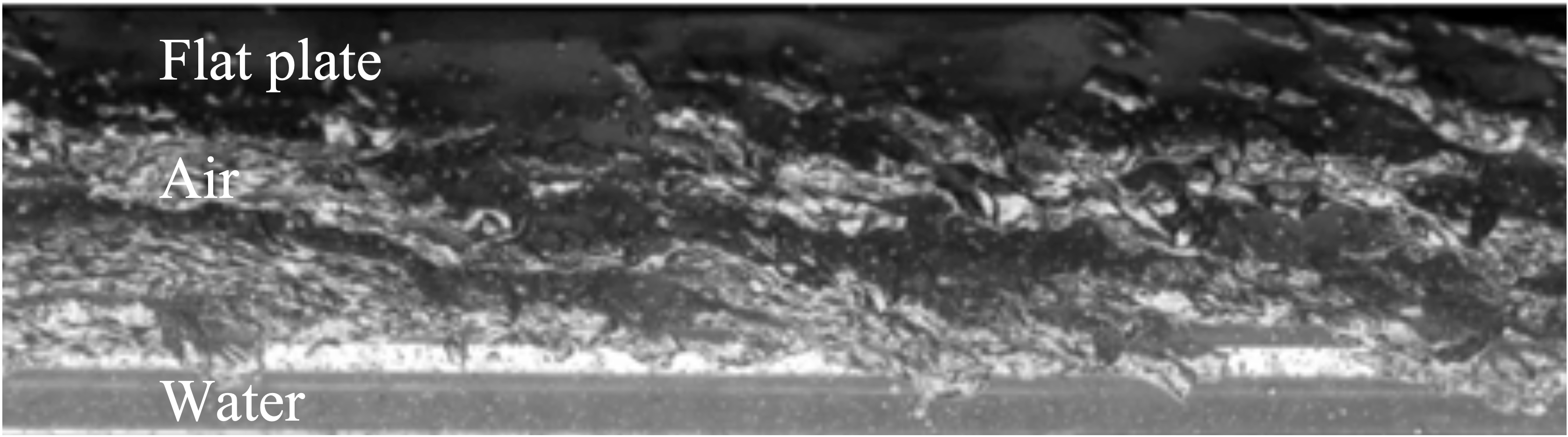
What happens when wall turbulence meets a deformable free surface — the canonical question underneath every air-layer application.
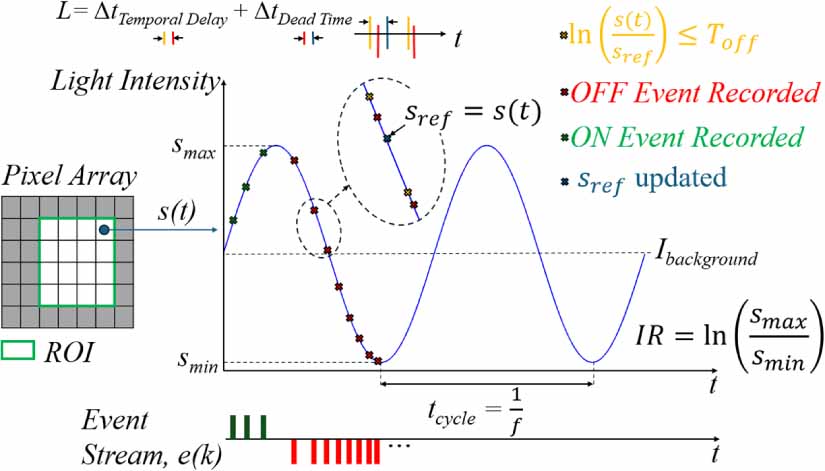
When can you trust a neuromorphic camera's frequency readout? Systematic error bounds for event-based flow monitoring, from cavitation to vortex shedding.
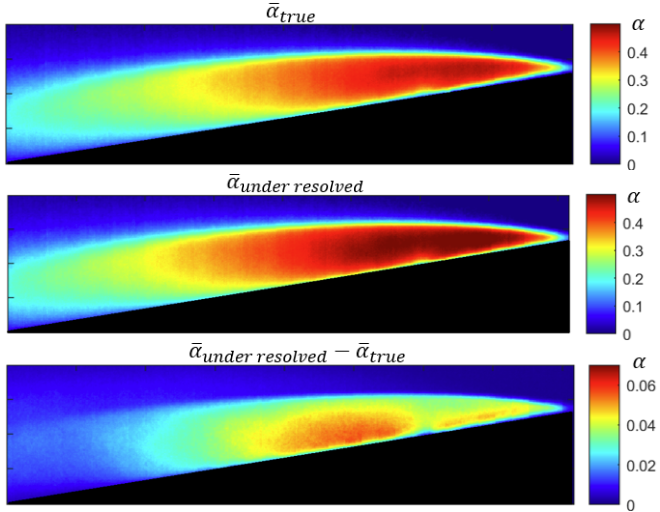
Time-averaged X-ray measurements of unsteady flows carry a hidden bias — here is how large it is, and how to bound it.
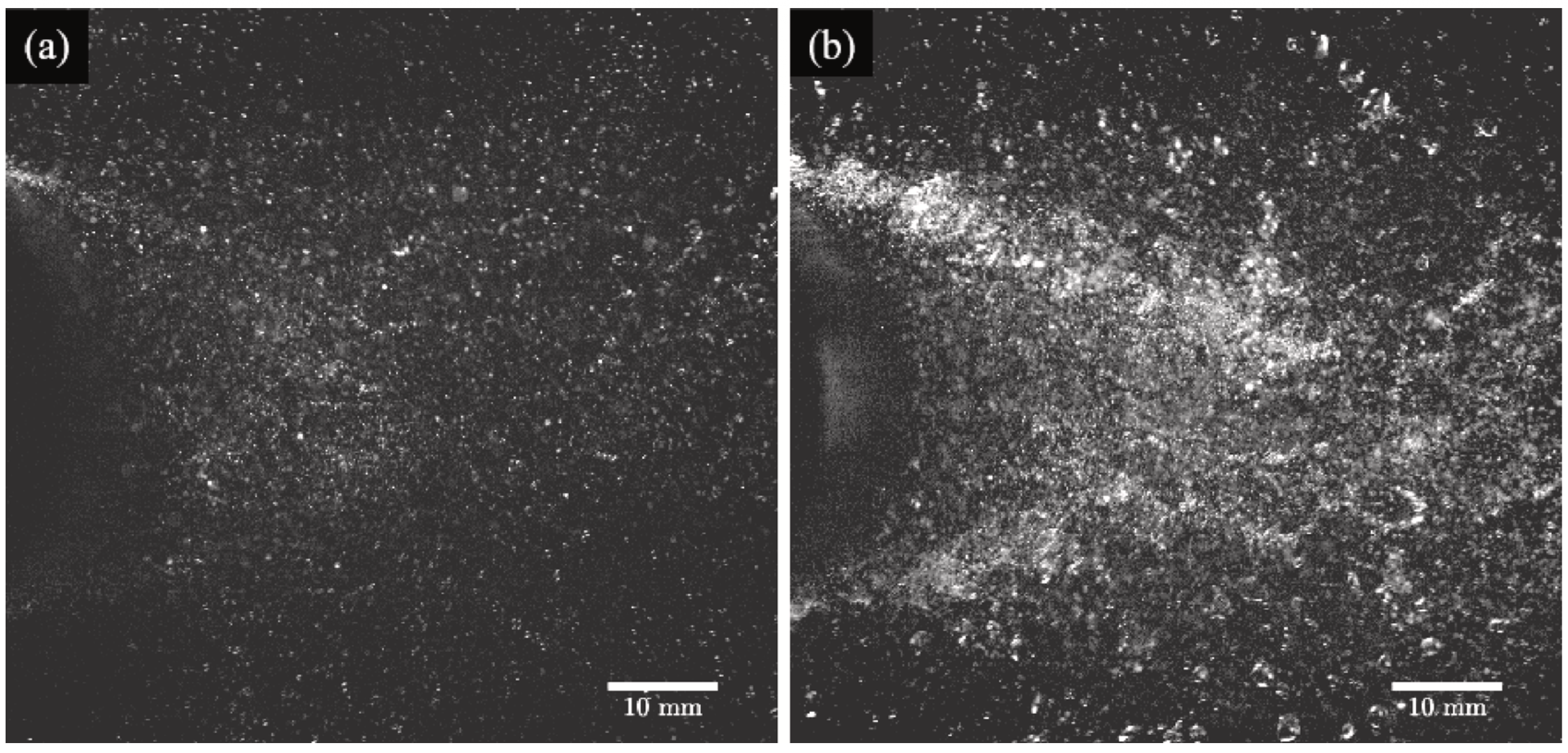
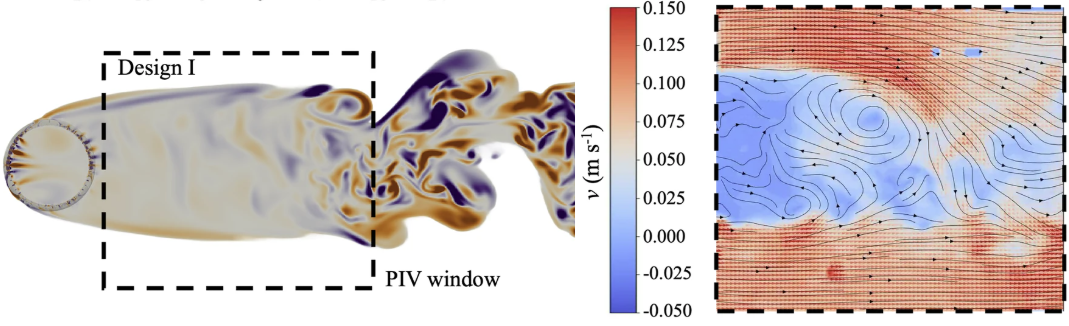
Injected bubbles push the cylinder wake into its supercritical regime well below the single-phase Reynolds number — with direct consequences for drag and shedding. With IRENav / École Navale.
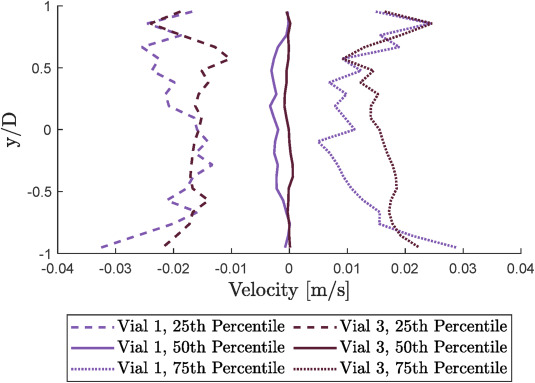
Volumetric 3D printing demonstrated and analyzed aboard a sub-orbital flight — including the multiphase fluid dynamics of printing in microgravity.
What we work on
The themes differ; the way we work does not. We design, build and run our own experiments; we pair the standard instruments of an experimental fluids lab with ones that exist nowhere else, from custom X-ray systems to neuromorphic imaging; and we work from first principles, so the physics — not the technique — sets the direction. That is why the same group can take on ship drag and organ cryopreservation.
Shipping moves ~80% of world trade and burns fuel mostly to overcome friction. We study the multiphase physics that could cut that bill.
Bubbles, cavities and phase change govern heat transfer, loading and noise in reactors, pumps, valves and propulsors.
The same nucleation and transport physics decides whether an organ survives freezing and where an airborne droplet lands.
Many flows that matter are opaque, fast, or sealed inside metal. We build the instruments that make them measurable — and those instruments now travel far beyond fluids.
Join us
We typically add 1–2 PhD students a year and welcome postdocs, visiting scholars, and Berkeley undergraduates through URAP.
Sponsors